Career Counseling

Career struggles aren’t just professional—they affect your self-worth, relationships, and mental health. Whether you’re facing burnout, a career transition, job loss, or confusion about your direction, Oak Tree Behavioral Services offers career counseling that blends psychological insight with practical strategy.

Signs You May Benefit from Career Counseling Support

Persistent dissatisfaction or dread about work
Burnout, exhaustion, or emotional emptiness
Uncertainty about career direction or next steps
Difficulty navigating workplace conflict
Fear of failure or imposter syndrome
Job loss or forced career transition

Our Treatment Approach

Our therapists help you explore identity, values, and strengths to clarify what you really want—then build actionable steps to get there. We address the emotional and psychological barriers that keep people stuck, not just the logistics.

Veteran Health

Veterans and active-duty service members carry experiences that few civilians can fully understand. At Oak Tree Behavioral Services, our clinicians are trained in military culture and provide evidence-based care for the full range of veteran mental health concerns—without stigma, without judgment, and with deep respect for your service.

Signs You May Benefit from Veteran & Military Mental Health Support

PTSD symptoms from combat, MST, or other service-related trauma
Difficulty transitioning from military to civilian life
Depression, isolation, or emotional withdrawal
Anger management or relationship problems post-service
Substance use to cope with service-related stress
Suicidal ideation or thoughts of self-harm

Our Treatment Approach

We use EMDR, CPT, and CBT for veteran PTSD, as well as culturally-informed supportive therapy for transition challenges, identity, and family reintegration. We are familiar with VA systems and can coordinate care with VA providers. We accept TriCare and most major insurance plans.

Traumatic Brain Injury

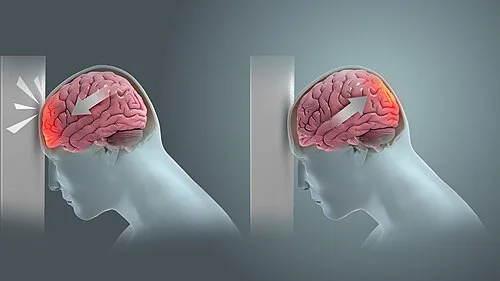
Traumatic brain injury (TBI) can profoundly alter cognition, personality, emotional regulation, and daily functioning—often in ways that are invisible to others. Therapy can’t reverse the neurological injury, but it can dramatically improve quality of life by addressing the emotional, behavioral, and adjustment challenges that follow TBI.

Signs You May Benefit from Traumatic Brain Injury (TBI) Support

Irritability, mood swings, or emotional outbursts after head injury
Difficulty with memory, concentration, or planning
Depression or anxiety following a TBI
Changes in personality reported by loved ones
Difficulty returning to work or pre-injury functioning
Co-occurring PTSD from the injury event

Our Treatment Approach

We provide TBI-informed therapy adapted to cognitive and processing changes that may affect how someone engages in therapy. We address grief over the pre-injury self, family system impact, emotional regulation, and co-occurring PTSD, and coordinate with neurologists and rehabilitation teams.

Trauma and PTSD

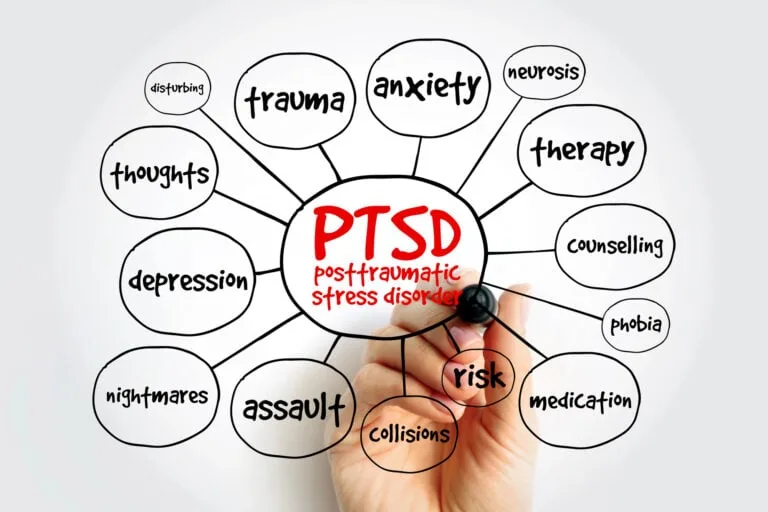
Trauma changes the nervous system. PTSD isn’t weakness—it’s your brain doing its best to protect you from a threat that has already passed. With the right treatment, trauma responses can be processed and resolved. You don’t have to keep living in the shadow of what happened.

Signs You May Benefit from Trauma & PTSD Support

Intrusive memories, flashbacks, or nightmares
Emotional numbness or detachment
Hypervigilance, startle responses, or feeling constantly ‘on edge’
Avoidance of reminders of the trauma
Negative beliefs about yourself or the world since the trauma
Difficulty in relationships, sleep, or daily functioning

Our Treatment Approach

Our trauma therapists are trained in EMDR (Eye Movement Desensitization and Reprocessing), Cognitive Processing Therapy (CPT), and trauma-focused CBT. We assess carefully and choose the approach best suited to your trauma history and presentation.

Substance Abuse

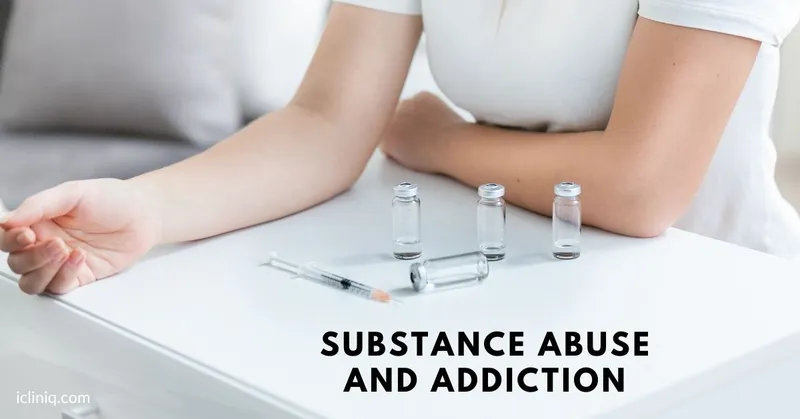
Substance abuse doesn’t mean you’re weak—it means you found something that worked, until it didn’t. Whether you’re struggling with alcohol, prescription drugs, methamphetamine, or other substances, Oak Tree Behavioral Services offers evidence-based outpatient treatment that addresses both the addiction and the pain underneath it.

Signs You May Benefit from Substance Abuse Support

Using substances more than intended or for longer than planned
Giving up activities you used to enjoy
Continuing to use despite physical or mental health consequences
Relationship conflict or isolation related to use
Legal or financial problems tied to substance use
Feeling unable to cope without the substance

Our Treatment Approach

We integrate Motivational Interviewing, CBT, trauma-focused therapy, and relapse prevention planning. We understand that substance abuse often co-occurs with depression, anxiety, trauma, and chronic pain—and we address them together.

Stress

Stress is inevitable. Chronic, unmanaged stress is not. When stress becomes persistent, it affects your physical health, mental health, relationships, and ability to function. Therapy goes far deeper than relaxation techniques—it addresses the patterns, beliefs, and life structures that fuel ongoing stress.

Signs You May Benefit from Stress Management Support

Feeling constantly overwhelmed, rushed, or unable to keep up
Physical symptoms: headaches, tension, stomach problems, fatigue
Difficulty sleeping due to worry or racing thoughts
Irritability, short temper, or emotional reactivity
Using food, alcohol, or screens to decompress
Neglecting relationships or things you enjoy due to stress

Our Treatment Approach

We use CBT, mindfulness-based stress reduction (MBSR) principles, ACT, and practical life-structure work to address both the symptoms and the sources of stress. We also explore perfectionism, overcommitment, and people-pleasing patterns that keep the stress cycle going.

Sports Performance

The mental game is where championships are won—and where athletes quietly suffer. Whether you’re dealing with performance anxiety, burnout, injury recovery, or the pressure of high-stakes competition, Oak Tree Behavioral Services offers sports psychology-informed therapy to help you compete at your best.

Signs You May Benefit from Sports Performance Support

Anxiety before or during competition
Mental blocks or choking under pressure
Difficulty recovering mentally after injury
Burnout, loss of motivation, or withdrawal from sport
Identity struggles tied to athletic performance
Perfectionism or fear of failure affecting your game

Our Treatment Approach

We use evidence-based mental performance techniques including visualization, attentional focus training, self-talk restructuring, and CBT for performance anxiety. We also address the whole athlete—including mental health challenges that exist beyond sport.

Sleep or Insomnia

Chronic insomnia affects nearly one in three adults and is strongly linked to depression, anxiety, and physical health problems. Cognitive Behavioral Therapy for Insomnia (CBT-I) is the gold-standard first-line treatment—more effective than sleep medications with no side effects.

Signs You May Benefit from Sleep & Insomnia Support

Difficulty falling asleep at night
Waking up in the middle of the night and unable to return to sleep
Waking too early
Daytime fatigue, irritability, or cognitive difficulties
Reliance on sleep medications that are losing effectiveness
Anxiety about sleep itself

Our Treatment Approach

CBT-I addresses the behavioral habits and thoughts that perpetuate insomnia. Treatment typically includes sleep restriction therapy, stimulus control, cognitive restructuring of sleep-related beliefs, and sleep hygiene. Most clients see significant improvement within 6–8 sessions.

Sexual Addiction

Compulsive sexual behavior—sometimes called sexual addiction—involves a pattern of sexual thoughts or behaviors that feel out of control, cause significant distress, and continue despite harmful consequences. Our therapists provide skilled, non-shaming treatment that addresses the underlying drivers of compulsive behavior.

Signs You May Benefit from Sexual Addiction Support

Pornography use that feels compulsive or out of control
Sexual behaviors that continue despite relationship or professional consequences
Failed attempts to reduce or stop sexual behavior
Using sexual behavior to cope with stress, loneliness, or pain
Secrecy, shame, or a double life
Escalating sexual behavior over time\

Our Treatment Approach

We use CBT, ACT, and trauma-informed approaches to address compulsive sexual behavior. We also provide couples therapy for partners who have been impacted, including betrayal trauma support.

Sex Therapy

Sexual concerns are among the most common—and most underaddressed—mental health issues. Whether you’re dealing with desire discrepancy, sexual dysfunction, intimacy avoidance, or the aftermath of sexual trauma, sex therapy provides a professional, confidential space to work through issues that affect your quality of life and relationships.

Signs You May Benefit from Sex Therapy Support

Low sexual desire or desire differences with a partner
Difficulty with arousal, orgasm, or sexual pain
Sexual anxiety or performance concerns
Intimacy avoidance or shutdown after trauma
Sexual compulsivity or out-of-control sexual behavior
Relationship strain due to sexual incompatibility

Our Treatment Approach

Sex therapy is talk-based (not physical) and uses sensate focus exercises, psychoeducation, trauma processing, and couples intimacy work. Our therapists are trained in AASECT-aligned approaches and address both individual and relational dimensions of sexual health.